
Dewatering Solutions in UAE for Construction, Excavation & Groundwater Control
High-performance dewatering solutions engineered to manage groundwater
Groundwater control is an important aspect of many construction, infrastructure, and utility projects today. Successful excavation, trenching, and foundation pits frequently encounter groundwater; therefore, site dewatering, construction dewatering and excavation dewatering need to be reliable for conditions that are safe and can be worked with. The traditional dewatering solutions in the construction industry is to use wellpoints, submersible pumps, or continuous pumping. The disadvantages of traditional methods are high set-up times, fuel consumption, labour and maintenance costs, especially when working in sandy or high-silt environments. At our firm, we provide you with advances in dewatering solutions in the UAE. Our advanced dewatering services have been designed for places where the use of a regular pumping system proves to be quite inefficient and fails to keep the cost under control.
Types of Dewatering Systems Used in Construction Projects
The first step towards efficient dewatering is knowing what works best. Here are some types of dewatering systems that are used during construction:
Well Point Dewatering System
This system is ideal for shallow excavations, and in this technique, closely spaced wellpoints are attached to a header pipe to draw the groundwater level down.
Deep Well Dewatering System
In this type of dewatering systems in construction, submersible pumps are installed in boreholes to regulate the high table of groundwater.
Ejector Dewatering System
An efficient dewatering method suitable for clay and silty soils, involving the use of high-pressure water in the creation of a vacuum to facilitate dewatering.
Open Dewatering Systems
One of the easiest ways to conduct a dewatering process by means of the employment of sumps and pumps for removing surface water.
Basement Dewatering Systems
The specially designed equipment ensures that underground structures do not become wet.
Dewatering Tank Systems
A dewatering system aimed at separation of solids from the water before discharge or reusing.
Construction Dewatering Methods and Groundwater Control Techniques
Such dewatering methods ensure safe excavation, help avoid problems with unstable soil, and guarantee safety.
This allows the machine to handle mixtures such as:
- Temporary dewatering methods and systems employed for excavations
- Dewatering methods for groundwater lowering during foundation and tunneling projects
- Systems for surface water diversion
- Dewatering methods to extract water from excavations up to surface discharge points
The collected material can then be discharged into a skip, tank, or designated disposal area.
This operating principle enables Vactran to perform tasks that are often difficult for conventional dewatering pumps.
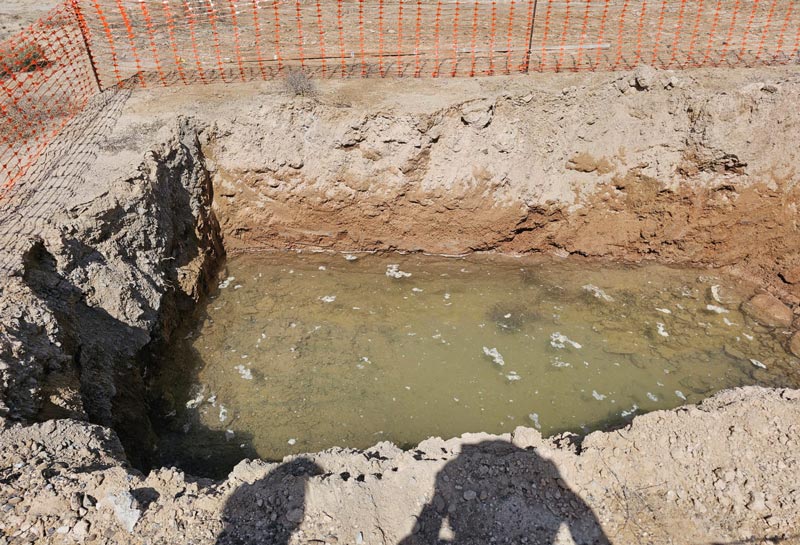
Challenges in Dewatering Projects
Proper control of groundwater is important because of the following problems with dewatering processes:
- Dewatering in sandy soils leading to large amounts of sediments
- Dewatering in clay soils that have low permeability
- Clogging issues typical for conventional pump-based
- High abrasiveness of soil leading to frequent pump failure
- High groundwater inflows during deep excavation works
These problems necessitate more effective means of managing water during such projects.
Complete Dewatering Solutions for Construction and Industrial Projects in UAE
Having been in this business for years as one of dewatering contractors, we understand that you need effective and complete dewatering solutions to your groundwater control problem. Here are our dewatering services:
- Dewatering trench works
- Dewatering excavation sites
- Construction dewatering services
- Dewatering excavation sites
- Foundation excavation dewatering
- Infrastructure dewatering
- Dewatering tunnels
- Basement site dewatering services
- Dewatering basement construction
Dewatering Equipment and Systems for Industrial Projects in UAE
As a trusted dewatering pump supplier among dewatering equipment suppliers in the UAE, we offer quality equipment guaranteed for its performance. Our systems support a wide range of construction dewatering, site dewatering, and excavation dewatering applications.
We offer advanced dewatering equipment, dewatering systems, and dewatering machines engineered for reliability and long-term performance. All our systems are carefully selected to deliver the best dewatering pumps in UAE too. Our solutions include:
- Heavy-duty dewatering machines for large-scale projects
- Vacuum-assisted dewatering units and vacuum dewatering pumps for advanced groundwater control
- Sludge and mud handling systems including dewatering sludge pump and mud dewatering pump
- Specialized construction dewatering pumps for infrastructure and industrial use
- Dedicated trench dewatering pump and basement dewatering pump solutions
- Industrial-grade dewatering units for high-efficiency performance
Vacuum-Based Dewatering Solutions for Complex Industrial Applications
FixPro Manufacturing’s Vactran introduces a unique vacuum dewatering system designed for the new way to do dewatering on industrial and construction job sites. This cutting-edge dewatering machine uses an air-assisted vacuum transfer system to move not only water but also sand, sludge, and debris in one convenient and efficient operation.
Unlike conventional pumps which rely on a continually-filled column of water to do their job, this high-performance dewatering unit employs a fast-moving stream of air to transport both liquids and solids through the flexible hose.
For many applications, Vactran greatly simplifies operational procedures and reduces costs, while improving the overall reliability of the dewatering process. Because of this configuration, the Vactran system can process complicated mixtures such as:
- Water and sand
- Mud
- Slurry
- Discarded drilling waste
- Water containing high concentrations of sediment
The material collected is able to be emptied through integrated suction systems, which are comparable to those of a dewatering sludge pump, into skips, tanks, or an allocated disposal site.
This operational process enables the Vactran vacuum dewatering unit to undertake duties that would otherwise be challenging or impractical for ordinary dewatering pumps, particularly in situations where sand, sludge, and other waste materials are present.
We don’t provide machines only; we provide complete engineered dewatering solutions based on the conditions of the job site, the profile of the soil, and the requirements of the operation, incorporating vacuum trucks, submersible pumps, centrifugal pumps, and so on.
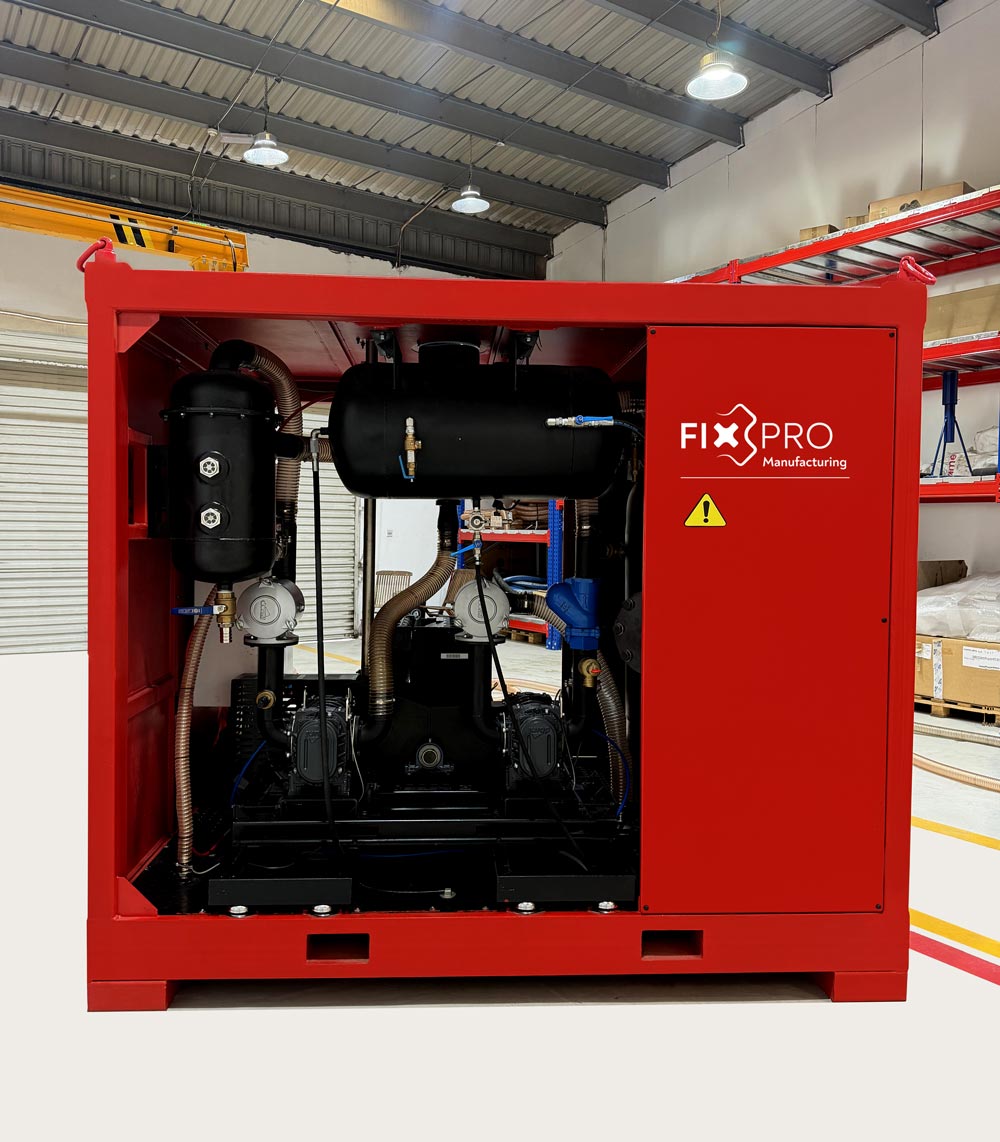
Cyclevac Solution
The Cyclevac line of machines has been specifically designed for ship maintenance, ship cleaning in the dry docks, and shipbuilding processes, ensuring reliable liquid as well as sludge handling with minimal downtime.
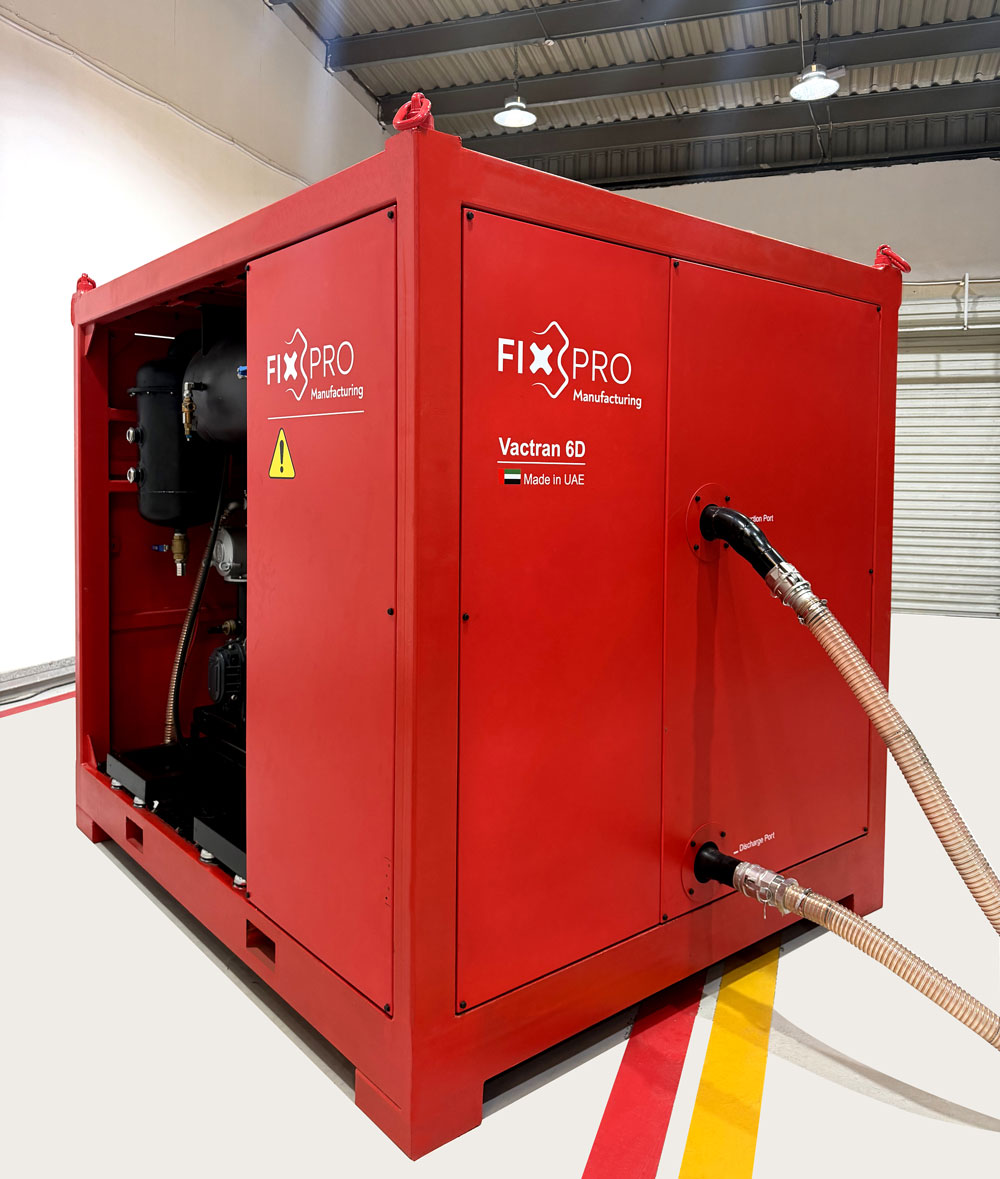
Vactran Solution
It is supported by a maritime and dry dock environment that is transferred by a high capacity vacuum to a liquid slurry.
Dewatering Applications for Vactran
Trench Dewatering Without Installing Wellpoints
At some construction project sites, water needs to be removed temporarily while digging trenches, for instance, for them to lay pipe lines, electric cables, drainage systems and dewatering foundation excavation.
Trench dewatering or dewatering excavation sites can be prohibitively expensive. Vactran has been designed to operate directly from the job site and will efficiently dewater trenches, without requiring a lot of set-up time or complicated set ups. It is also capable of removing both water and sediment while performing dewatering activities, thereby avoiding disorder in muddy water due to a blocked impeller.
For contractors working at dewatering construction sites, Vactran is a practical and economical method of achieving localized dewatering for their projects.
Cleaning and Developing Wellpoints After Drilling
Once the wellpoints are installed for dewatering infrastructure or for dewatering tunnels, the borehole will typically become filled with drilling slurry, sand and muddy water. Prior to adding submersible pumps to the wellpoint system, you need to remove the material inside the borehole before it causes clogs and failure of your dewatering system.
Vactran can efficiently remove all the voids of mud, sand and drilling material remaining in the borehole to prepare the wellpoint for an effective dewatering excavation site.
The advantages to contractors involved in dewatering construction sites are:
- Speedier well preparation
- Less chance of damaging a pump
- Greater reliability of the dewatering systems you install
Following a site clean-up, contractors can either begin with installing pumps or use Vactran to further dewater on-going dewatering structures and to dewater tunnel applications.
Supporting Existing Dewatering Systems
Vactran can be used to supplement existing dewatering systems on the construction site, providing assistance with:
- Sand removal from wells
- Removing silt from sump
- Removing remaining water from pits
- Removing emergency water
These instances occur frequently within basement dewatering or dewatering foundation excavation; having low water volumes or silt build-up at the site of clean up can decrease efficiency level for the job.
Conventional pumps do not function well where only low volumes of water are present; therefore, in a final stage dewatering excavation clean up, Vactran can be used in completing removal processes of remaining water and sludge forms.
Cost Advantages of Vactran for Dewatering Projects
A key advantage of Vactran Technology is its ability to decrease the total cost associated with dewatering operations through the provision of more effective methods of dewatering and improved performance under challenging job site conditions.
As an advanced groundwater control system, Vactran allows for an optimization of contractor resources while maintaining a high level of operational efficiency.
Reduced Fuel Consumption
Vactran systems are designed to automatically turn on and off based on water level sensors, which means that the unit will only operate when required to do so, substantially reducing both diesel fuel use as well as maintenance costs.
Additionally, Vactran improves the efficiency of groundwater management by providing a method for controlling groundwater levels with much less time and expense associated with operating a pump.
Lower Manpower Requirements
Conventional dewatering methods utilized personnel to supervise and monitor the operation on a continuous basis. The on-demand operational mode of the Vactran unit starts automatically when the water rises and stops automatically when the water lowers.
As a result, contractor operators spend less time supervising or monitoring the unit; therefore, the unit will operate more efficiently within a construction or industrial environment.
Reduced Equipment on Site
Standard dewatering setups use several different components:
- Several pumps
- A generator (or more than one)
- An electrical panel
- Discharge piping
Because Vactran units are stand-alone diesel engines, they only need a small amount of equipment total; therefore they have excellent equipment and installation flexibility. This makes Vactran suitable for projects where small and efficient dewatering solutions are required.
Lower Maintenance and Downtime
Standard dewatering pumps in sandy or sediment, this type applications are more likely to:
- Wear Down Impellers
- Become Clogged
- Have Seal Failures
Vactran systems are made to handle both liquids and solids simultaneously, greatly diminishing clogging issues in sandy situations and reducing the chance of equipment failure.
This makes Vactran better than traditional pump types for greater reliability and lower downtime during heavy industrial usage.
Ability to Work at Very Low Water Levels
Standard dewatering pumps usually need a certain amount of water to work effectively. With Vactran you still have the ability to transfer remaining water from your jobsite even if there is only limited water left.
This provides a continuous way for contractors to evacuate remaining water and maintain their jobsite in a dry and controlled state for many projects, even with low amounts of water remaining.
Other Operational Benefits
- Improved groundwater control
- Efficient dewatering solutions
- Reduced clogging in sandy soils
- Continuous operation in low water levels
- Reduced equipment dependency
- High performance in industrial environments
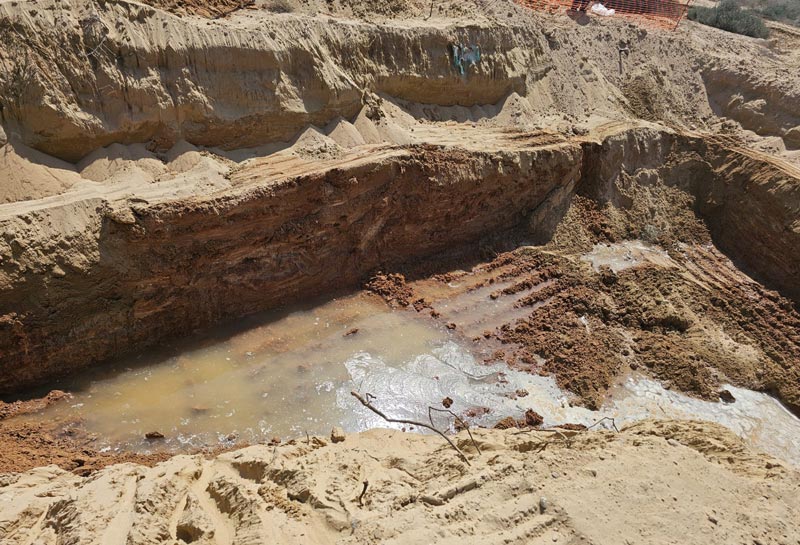
Why Vactran Is an Innovative Dewatering Solution
Vactran introduces a different approach to liquid transfer in construction environments. Instead of relying only on traditional pumping methods, the system uses air-assisted vacuum conveying technology. This technology enables dewatering contractors to handle complex mixtures of:
- water
- sand
- sludge
- debris
with a single machine. For many projects, this approach can simplify operations and reduce overall construction dewatering project costs.
Who Should Consider Using Vactran?
Vactran systems can benefit a wide range of professionals, including:
- Dewatering contractors working on sites and excavation
- Civil engineering companies dealing with complex dewatering systems in construction
- Construction contractors needing efficient dewatering services
- Pipeline installation contractors working on trench and underground projects
- Infrastructure developers facing large-scale groundwater control issues
- Industrial maintenance teams needing flexible, high-performance dewatering solutions
Vactran can be used as either the primary local dewatering system for construction purposes or as a supportive system with traditional systems such as wellpoint systems and deep well dewatering systems. By doing this, the overall efficiency and reliability of the overall project will be improved.
Where Dewatering Solutions Can Be Helpful
The following applications involve the use of our dewatering solutions:
Construction Industry
To provide safe excavations, solid foundations, and dry construction sites.
Oil and Gas Industry
To handle groundwater, sludge, and other liquids within refineries, tank farms, and production facilities.
Mining Industry
To manage large quantities of water, slurry, and sediments in mining shafts and pits.
Civil Engineering Projects
Including tunneling, pipeline construction, drainage, and other projects.
Comprehensive Dewatering Solutions
We don’t provide machines only; we provide complete engineered dewatering solutions based on the conditions of the job site, the profile of the soil, and the requirements of the operation, incorporating vacuum trucks, submersible pumps, centrifugal pumps, and so on.
Continued Support and Experience in Dewatering Solutions
While the equipment used for dewatering is certainly an important component, it is not the entire story. Multiple factors go into completing a dewatering project:
- Having the right expertise
- Having the right people ready to help
- Having continued support post-deployment to ensure operational success
- Having suitable dewatering services.
Industrial Vacuum Unit Rental
Flexible leasing solutions for short-term and long-term dewatering applications.
Repair or replacement of worn-out parts
Optimization for increased efficiency. System optimization refers to the safety inspections based on compliance. Whether it is planned or emergency-based, repair options from us will help you preserve your investment.
Industrial Liquid Vacuum System Annual Maintenance Contracts
Prevention is power. Performance is planned. The purpose of our annual maintenance contracts is to serve organizations that do not have the luxury of unexpected failure. By virtue of regular maintenance and inspections, we ensure that your dewatering and vacuum systems are working effectively. Important benefits to consider:
- Less likelihood of sudden failures
- Extended equipment lifespan
- Predictable maintenance costs
Request a Dewatering Consultation to Help with Your Project
FAQs on Dewatering Solutions for Construction Projects
Dewatering solutions consist of procedures used in construction projects that involve the extraction of ground and surface water to create a safe construction environment.
Yes. Vactran is particularly effective for trench dewatering, where installing a full wellpoint system may not be economical.
No. Vactran systems can be equipped with automatic start and stop controls based on water level, allowing the machine to operate only when needed. This can significantly reduce fuel consumption.
Groundwater control entails the management of water under the ground to prevent any issues that may affect the construction process.
The methods include temporary dewatering, groundwater lowering, and vacuum-assisted dewatering.
Dewatering is the process of removing groundwater or surface water from an excavation site to keep the work area dry and stable during construction activities.
It is the process through which water is extracted from excavations, trenches, and foundation areas to facilitate construction activities.
For small or localized dewatering jobs, Vactran can often serve as the primary dewatering solution. For larger projects, it can complement existing wellpoint or pumping systems by handling sediment removal and residual water extraction.
Yes. Vactran is designed to transfer both liquids and solids, making it suitable for muddy water, sand, sludge, and drilling residues.