
Dust and Residue Removal in Building Materials Production
Dust and Residue from the Production of Building Materials
Dust and residue are generated through the process of manufacturing building materials. The dust generated from the manufacturing process of building materials cannot be eliminated; however, they can have an effect on efficiency, safety and productivity due to their presence. Our engineered dust control solutions provide the manufacturer with a safer and faster alternative to clean and remove construction debris when compared to traditional methods.
Manufacturing Facilities Generating Dust and Residue
There are many manufacturing facilities that produce building materials and generate heavy amounts of dust in both inbound and outbound materials.
- Gypsum manufacturers
- Insulation processors
- Manufacturers of dry mixes
- Companies that handle aggregates
These examples include:
- Fine dust generated during the mixing and movement of materials
- Heavy residue buildup on production lines
- Dust presence on silos and conveyors and storage locations
The Negative Effects of Poor Dust Control
If dust on construction sites and residues are not controlled, they have a negative impact on operational performance:
Product Quality
Products that are contaminated due to the accumulation of dust will result in contamination of the products based on the characteristics and specifications of the products.
Equipment Reliability
The accumulation of dust on equipment will cause wear, blockage of equipment and breakdown of equipment.
Worker Health and Safety
Fine dust has the potential to create respiratory health hazards and creates slippery walking surfaces.
Operational Efficiency
Repeated shutdowns to clean up construction dust and debris will create operational inefficiency.
Key Operational Challenges in Dust and Residue Management
Removing residue during the manufacturing process of building materials should be considered an operational requirement, not a maintenance issue. Production sites have to deal with several issues related to dust and residue, including:
Residue of Mixed Materials
There is a mixture of debris and fine dust in various places, which calls for adaptable cleaning methods.
Dust Deposits on Machines
Silos, conveyor belts, and mixers tend to get coated with dust layers that are very hard to remove even by hand.
Quick Cleaning Is a Must
As production lines can’t be stopped for long, any slow or manual cleaning technique is simply not doable.
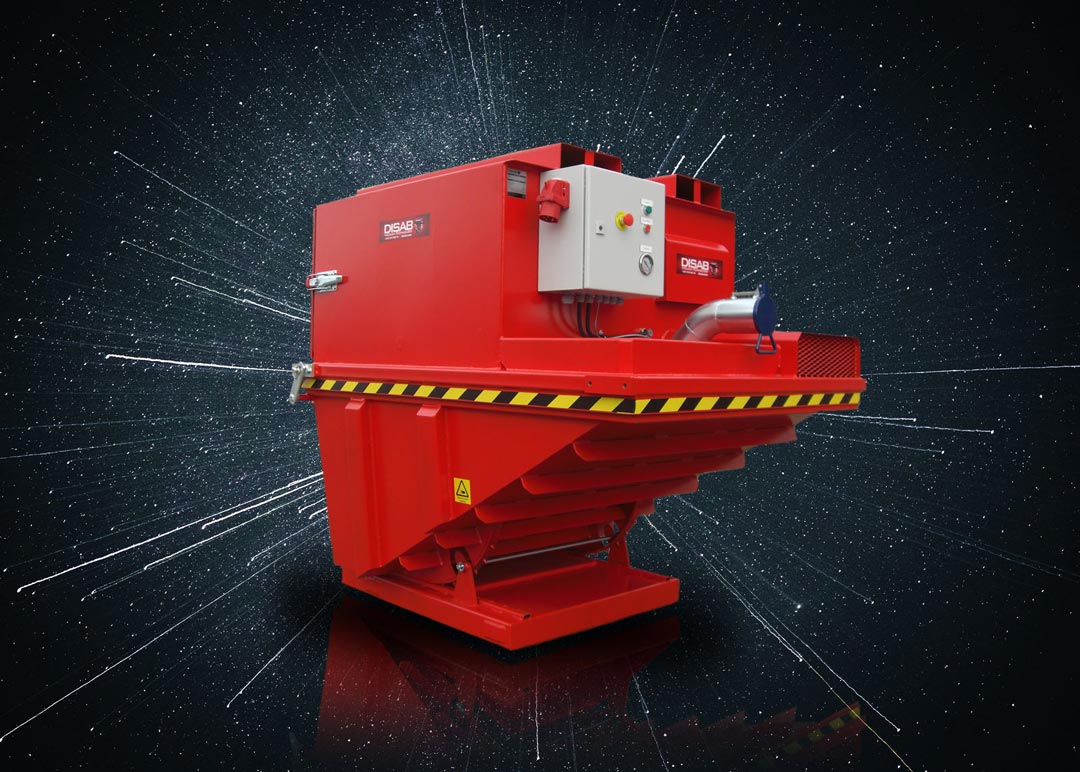
More Intelligent Method Of Removing Dust
It is quite evident that if the system is not efficient, getting rid of construction dust will take up a lot of time and may not even be effective. These issues can be really closed if industrial vacuum technology built for heavy-duty environments is used.
It combines high performance with industrial strength to deliver a cleaning solution while handling both fine particles and hefty residues even in harsh production environments.
Contemporary Equipment for the Elimination of Dust and Residue
Besides, these solutions represent one part of the most advanced cleaning systems. Dust control not only guarantees the quality of the product but also helps in safeguarding the machinery and providing a healthy working environment through the reduction of suspended particles and dust accumulation.
Besides the industrial vacuum systems such as the DISAB SkipVac, other equipment has been designed and marketed for dust and residue removal since it is a demand in the building materials sector.
The Importance of Removing Construction Dust
Firstly, it prevents dust particles from being suspended in the air. Secondly it decreases the chance of slips and fall injuries and thirdly, it eradicates the need for carrying heavy loads manually.
All these combined lead to a more secure working environment for the employees. Therefore ideally dust cleaning is so important that it should be part of the daily routine or, at the very least, be done thoroughly between two production cycles.
The Effectiveness of Residue Removal Building Materials Production Solution
How an industrial vacuum system will allow for a faster, more efficient and safer method of cleaning up construction residues or dust:
- Fast removal of both fine and heavy materials from the jobsite.
- Safer environment for workers due to the reduction of dust being airborne and slip hazards.
- Increased productivity through reduced downtime between production runs.
- Less manual labour needed to clean up from a work site.
- Increased efficiency in operation through minimal disruption.
This methodology shifts dust management from being a reactive action to being an efficient, proactive process.
Service Offerings to Clean Construction Dust
FixPro also offers dedicated services for industrial vacuum systems including DISAB SkipVac to ensure peak performance and long-term dependability.
Annual Maintenance Agreements on Industrial Vacuum Systems
Scheduled maintenance will prevent downtime and ensure optimal performance on your system.
Repair and Overhaul for Industrial Vacuum Systems
Repair and support your vacuum systems with expert assistance restoring peak performance and extending the life cycle of your equipment.
Industrial Vacuum Rentals
Provide the flexibility needed with rental options for temporary projects, downtime during industrial shut downs or extra cleaning capacity.
Talk to Our Experts About Your Dust Control Needs
At FixPro, our professionals have the knowledge and experience to help you manage the operational, safety and efficiency related issues that dust has on your manufacturing process. We will assist you after filling the contact form.
Common Questions About Industrial Dust Removal Solutions
Vacuum systems designed specifically for use in industrial environments are commonly used for effective and efficient cleaning of dust and residue from buildings. An example of this type of equipment is the DISAB SkipVac series of vacuums.
It is possible. Recovered materials are useful to enter the production chain again.
Dust removal should basically be integrated into daily work operations or at least carried out between production cycles for ensuring safety and efficiency.
Manually cleaning is a very inefficient and slow process. Industrial vacuum systems, on the other hand, offer not only a quicker and safer solution but also a much more thorough one.